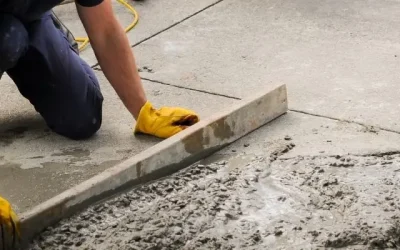
A concrete driveway is only as good as the ground beneath it. Poor preparation is one of the most common reasons driveways crack, sink, or shift within a few years of being poured. Getting the site ready properly is not just a formality; it is the foundation of a driveway that holds up long term.
This post walks through the key preparation steps in the order they typically happen, so you know what to expect and what to look out for before work begins.
Check for Underground Utilities Before Any Digging Starts
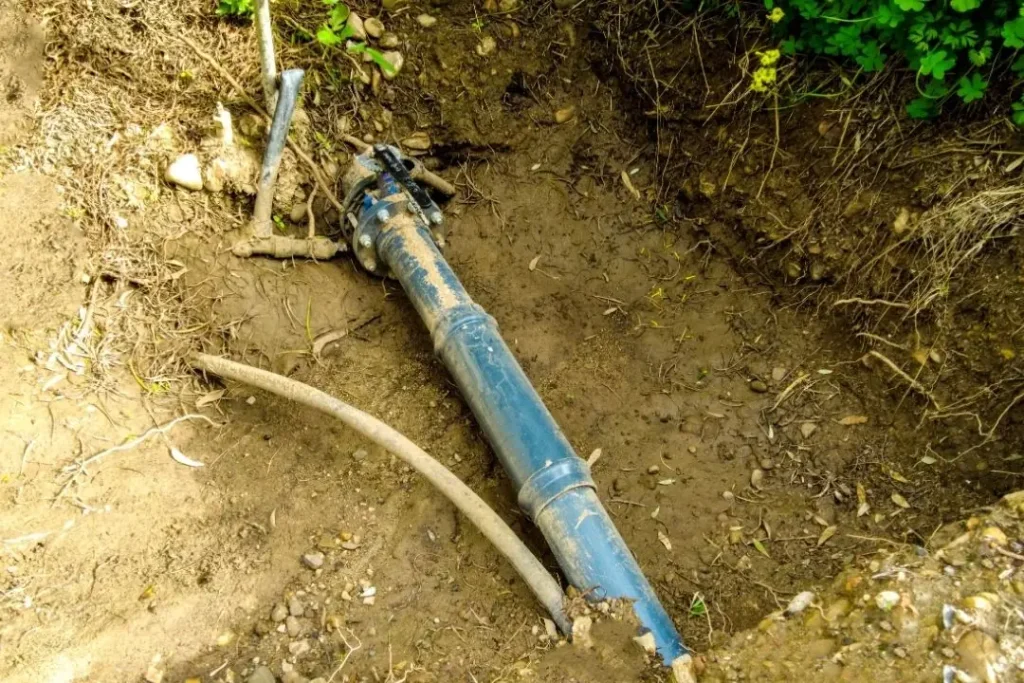
Excavation is one of the first physical steps in driveway preparation, but it should never happen without knowing what is underground. Water pipes, gas lines, electrical conduits, and telecommunications cables can all run beneath a front yard or existing driveway area.
Striking a buried service during excavation can be dangerous and expensive. Requesting underground utility plans for your property before any digging starts is a straightforward way to identify where those services run and how deep they sit.
Your concreter should factor this information into how and where they excavate. If a service runs through the planned driveway area, adjustments to the layout or depth may be needed before anything else can proceed.
Understand What Your Soil Is Doing
Soil type has a direct impact on how stable a concrete slab will be over time. In Werribee and across Melbourne’s western suburbs, reactive clay soil is common. This type of soil expands when it absorbs moisture and contracts as it dries out.
That constant movement puts stress on concrete from below. Reactive clay soils are a known challenge in this region, and they require specific preparation measures to reduce the risk of movement after the slab is poured.
In practical terms, this often means removing more of the existing soil than you might expect, replacing it with a stable compacted base material, and ensuring the subgrade is consistent across the entire driveway area. Skipping or rushing this step is one of the main reasons concrete cracks develop long before a driveway should show any signs of wear.
Excavation: How Deep and Why It Varies
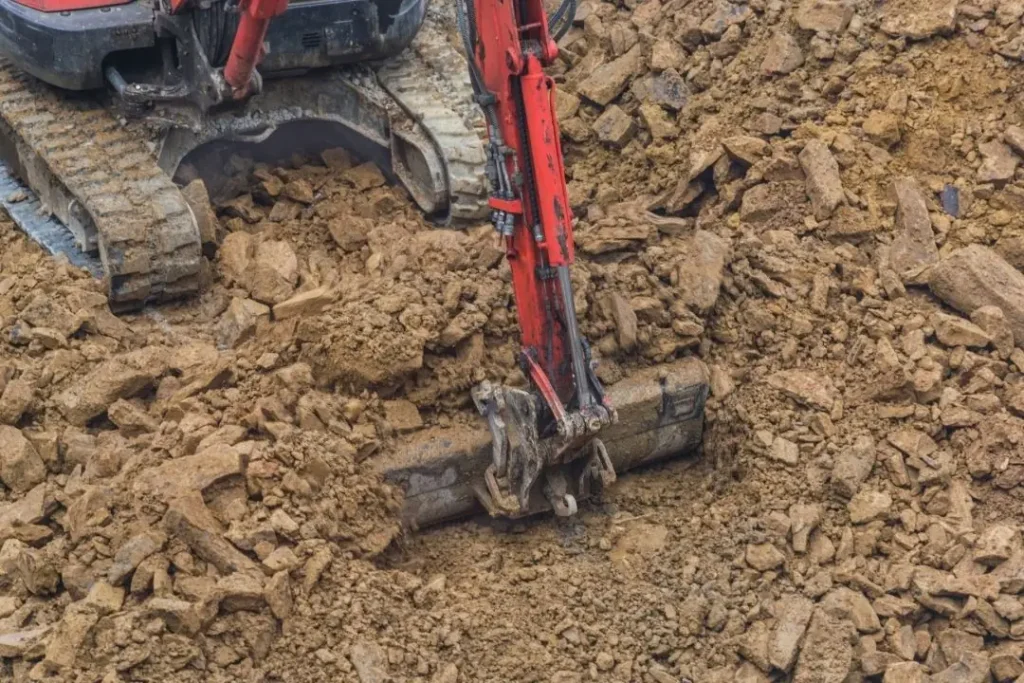
Once utilities are located and the soil type is understood, excavation can begin. The depth required depends on the existing ground level, the soil conditions, and the intended use of the driveway. A standard residential driveway typically requires excavation to a consistent depth across the full area.
The goal is to remove soft or unstable material and create a level base that can be properly compacted. Uneven excavation leads to an uneven base, which creates weak points in the finished slab.
Any tree roots, organic material, or debris in the excavation zone should be removed completely. Organic matter breaks down over time and leaves voids beneath the concrete, which is a direct cause of sinking and cracking.
Getting the Base Right Before Anything Is Poured
After excavation, a compacted base layer is laid. This is usually crushed rock or road base material, spread evenly and compacted in layers using a plate compactor or roller. The compaction process is what gives the base its load-bearing strength.
A poorly compacted base will settle unevenly after the concrete is poured, regardless of how good the concrete mix is. The base layer needs to be firm, consistent, and level before formwork is set up.
The thickness of the base layer varies depending on soil conditions and the weight the driveway will need to support. A driveway used only by passenger vehicles needs a different base specification than one that will regularly carry heavier loads.
Drainage Planning Before the Formwork Goes In
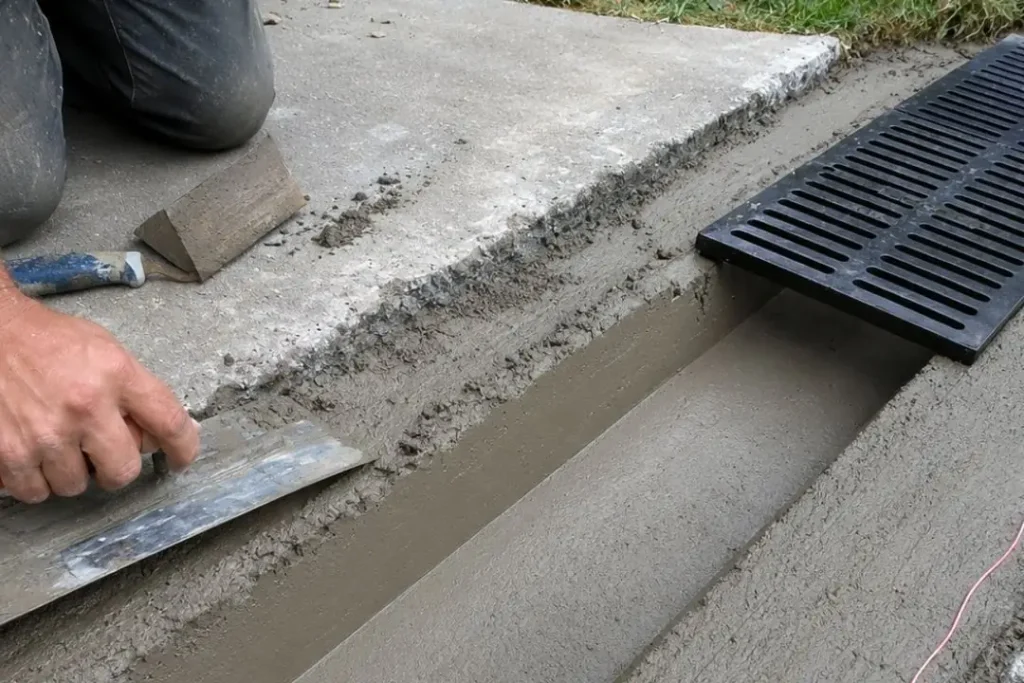
Water management is one of the most overlooked parts of driveway preparation. A concrete driveway that does not drain correctly will pool water near the house, along the kerb, or across the slab surface. Over time, standing water accelerates surface wear and can work its way into any existing cracks.
The driveway needs to be graded so water runs away from the house and toward the street or a designated drainage point. This gradient is built into the formwork stage, not added as an afterthought once the concrete is poured.
If the existing yard has drainage issues, such as low spots that collect water or areas where runoff from neighbouring properties crosses your land, these need to be addressed before the driveway is formed. Pouring concrete over a drainage problem does not fix it; it usually makes it harder to resolve later.
Formwork Sets the Shape and Level of the Finished Slab
Formwork is the timber or steel edging set up around the perimeter of the driveway area. It defines the shape, width, and finished height of the slab. Getting the formwork level and square is critical because the concrete is poured directly against it.
Any error in the formwork shows up in the finished driveway. A section that is set slightly too high or too low will affect both the appearance and the drainage of the slab.
Steel reinforcement, either mesh or rebar, is placed inside the formwork before pouring. This reinforcement holds the slab together if the ground beneath it moves and reduces the risk of cracks spreading across the surface.
What to Sort Out on Your End Before the Crew Arrives

There are a few things homeowners can do ahead of time to keep the job running smoothly. Clear the driveway area of vehicles, garden equipment, pots, and any other items that would need to be moved on the day. If there is an existing driveway being removed, confirm with your concreter whether that demolition and disposal is included in the scope of work.
Check whether any part of the planned driveway crosses a council nature strip or requires a permit. In some Melbourne councils, works that extend to the kerb or affect the footpath area need prior approval. Your concreter should be able to advise on this, but it is worth raising early so it does not delay the start date.
Also consider access for the concrete truck. A standard concrete truck is heavy and needs a clear, firm path to reach the pour area. If access is tight, a pump may be needed, which affects the overall cost and scheduling.
How Preparation Affects the Finished Result
Every step covered above feeds directly into the quality and longevity of the finished driveway. A slab poured over a well-prepared, compacted, and drained base will perform significantly better than one poured over ground that has not been properly assessed or treated.
For homeowners installing a concrete driveway in Werribee or the surrounding western suburbs, the preparation phase is where the real work happens. The pour itself is relatively fast; the preparation is what takes time and care.
The same principles apply to other concrete surfaces around the home. Concrete patios require similar attention to base preparation and drainage, particularly where they sit adjacent to the house or connect to an existing driveway area.
Ready to Get Your Driveway Project Started?
A well-prepared site is the difference between a driveway that lasts and one that causes problems within a few years. We work across Werribee and Melbourne’s western suburbs, handling site assessment, preparation, and the full driveway installation from start to finish.
Call (03) 9034 8653 or get in touch online to arrange your free quote.